ghk-cu copper coordination sites mechanism of action mechanisms peptide GHK-Cu as a multifunctional peptide: synthesis routes, process engineering and emerging applications BPC-157 vs GHK-Cu: Repair vs – ghk-cu mechanism of action receptor – Count:BPC-157 (#30 ct) electrolyte balance From Strokes to Heart
From Strokes to Heart Attacks. How My Patients Use Peptides to Recover Faster!
In Proceedings of International Joint Conference on Artificial Intelligence, pages 2704–2710, 2016
electrolyte balance
Count:BPC-157 (#30 ct)
BPC-157 Supports Vascular and Neurological Repair One underappreciated hallmark of long COVID is endothelial dysfunction — damage to the lining of blood vessels that impairs circulation, oxygenation, and tissue delivery.7 BPC-157 has demonstrated angiogenic (new blood vessel formation) effects in research models, upregulating VEGFR2 and promoting collateral circulation in ischemic tissue.8 This matters for two reasons: Cardiovascular symptoms (breathlessness, reduced exercise tolerance, tachycardia) may partly reflect impaired tissue oxygenation from vascular damage Neurological symptoms (brain fog, cognitive impairment) may similarly reflect reduced cerebral blood flow BPC-157's neuroprotective effects — shown across models of traumatic brain injury, dopamine dysregulation, and serotonin syndrome — also suggest value in supporting the neurotransmitter disruption many long COVID patients experience.9 BPC-157 Modulates Inflammation Without Immune Suppression This is critical


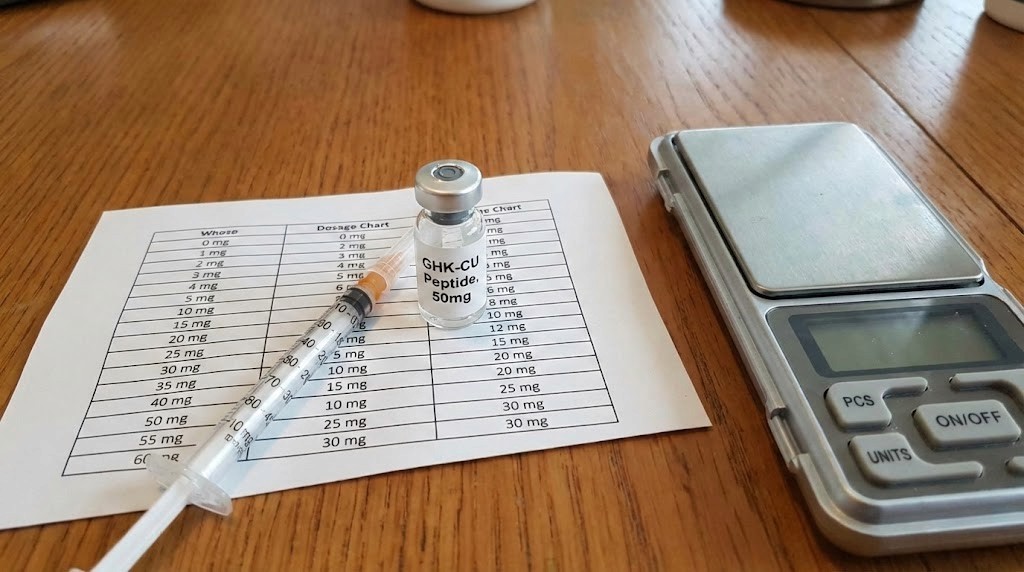
![PSA] Albeit rare Copper peptide](https://preview.redd.it/psa-albeit-rare-copper-peptide-uglies-are-real-and-scary-v0-4gk9u5nac2zc1.jpg?width=3024&format=pjpg&auto=webp&s=8d851d295c6a085a163a72066da8ec296d1859aa)